
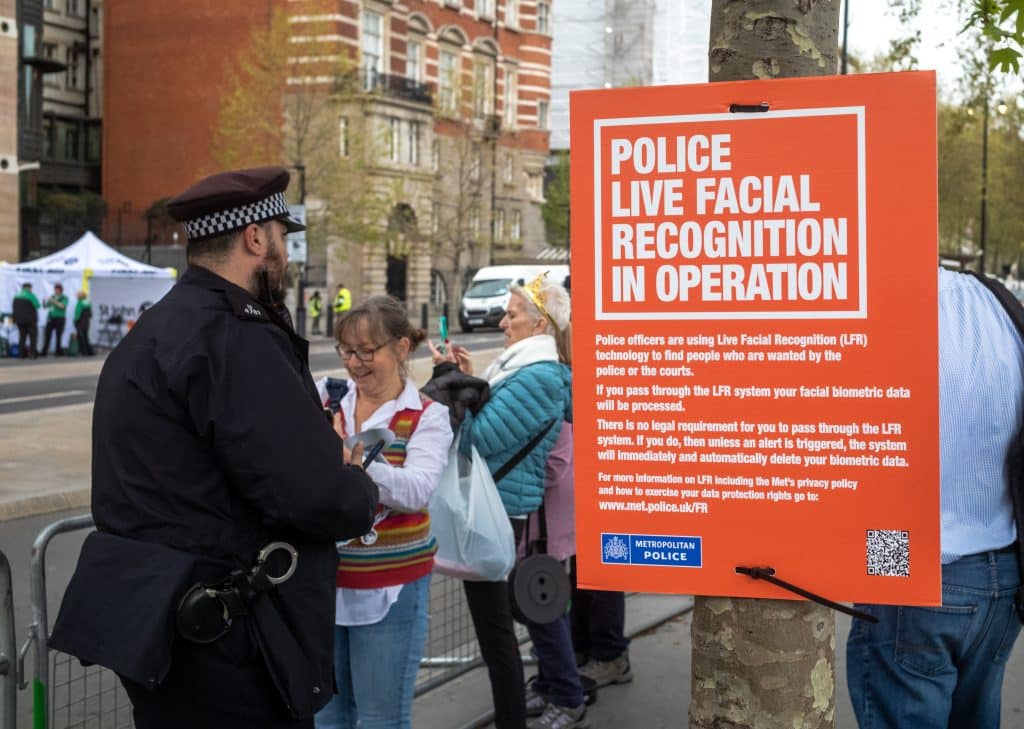
In the drive to modernise urban safety, the integration of technology into policing strategies is inevitable. However, the efficacy of these tools relies on real-world application. Over three months, Croydon has served as the operational testbed for a pioneering deployment of Live Facial Recognition (LFR), and the data indicates a significant shift in how law enforcement can target high-harm offenders.
The Metropolitan Police have confirmed that the pilot, which began in October, has already resulted in more than 100 arrests. This puts Croydon at the forefront of a major tactical evolution, moving away from resource-heavy, analogue methods toward precision, intelligence-led policing.
The Technical Innovation: From Vans to Infrastructure
Previously, LFR deployments in London required the presence of large, conspicuous police vans to host the camera technology. The Croydon pilot represents a “game-changing” technical leap. For the first time, cameras have been mounted directly onto existing street furniture, such as lamp posts, at strategic points along the North End high street.
This shift to static infrastructure has streamlined the operational footprint. The camera feeds are monitored remotely, freeing up vehicles for use elsewhere while maintaining a robust digital perimeter. The efficiency gains are measurable: under this new model, the average time to locate a wanted individual has been cut by more than 50 per cent. In operational terms, the system is generating an arrest, on average, every 34 minutes when active.
Data-Driven Impact
The primary objective of the pilot is not general surveillance, but targeted apprehension. The system utilises a bespoke “watchlist” generated no more than 24 hours prior to deployment, ensuring that the focus remains strictly on current persons of interest.
The results in Fairfield Ward, where the pilot is concentrated, are stark. Total crime in the area has dropped by 12 per cent, with specific reductions noted in robbery and shoplifting.
Crucially, the technology is effectively filtering for high-risk individuals. Of the 100+ arrests made, one-third were for violence against women and girls, including offences such as strangulation and sexual assault. The precision of the system was highlighted by the arrest of a 36-year-old woman who had been unlawfully at large for over 20 years, wanted for failing to appear at court for an assault in 2004.
Safeguards and Community Support
Despite the advanced nature of the surveillance, the protocol remains “human-in-the-loop.” Cameras are only activated when specialist officers are physically present on the ground to respond to alerts. Furthermore, strict privacy controls are hardcoded into the operation: biometric data from members of the public who do not match the watchlist is deleted immediately and permanently.
This “precision policing” approach appears to have resonated with the local community. Lindsey Chiswick, the Met’s national lead for LFR, noted that public support remains strong, with 85 per cent of Londoners backing the use of LFR to enhance safety. Local business figures, including Jose Joseph, former chair of the Croydon Business Association, have called for the scheme to be widened, citing the need for a safer environment for traders and residents alike.
A Safer Croydon
Executive Mayor Jason Perry has aligned the pilot with his administration’s “broken windows” strategy, emphasising a zero-tolerance approach to restoring pride in the borough. By adopting this technology early, Croydon is not just reducing its own crime statistics; it is proving the concept for the rest of the capital.
The pilot demonstrates that when privacy safeguards are balanced with operational capability, smart city technology can be a formidable tool in the fight against crime. With dangerous offenders, including registered sex offenders breaching their conditions, removed from the streets, the tangible benefits of this innovation are already being felt by residents.