The humble bus shelter is perhaps the most overlooked piece of infrastructure in our city. It is a functional necessity for millions of daily journeys, serving as a refuge from the British weather and a critical information point. Yet, while bus fleets have been modernised with zero-emission engines and digital displays, the street furniture that supports them has often lagged behind. That dynamic is now shifting, and Croydon has been positioned at the forefront of the change.
Transport for London (TfL) has selected the borough as a primary testing ground for its new generation of bus shelters. This 12-month engineering trial, which began its rollout in late January 2026, is not merely a cosmetic refresh. It represents a fundamental rethink of how surface transport infrastructure interacts with the urban environment, aiming to standardise safety, accessibility, and durability across the capital.
A Modular Leap Forward
The trial addresses a long-standing logistical challenge: the inconsistent age and condition of London’s 14,000 bus shelters. Historically, damaging a shelter often meant complex repairs or total replacement. The new design, however, utilises a sustainable, modular construction approach. This engineering shift is significant; it allows maintenance teams to swap out individual components rapidly, reducing long-term operational costs and ensuring that stops remain in service rather than being boarded up for weeks.
Engineered for the Passenger
For the commuter, the improvements are tangible and designed to address specific pain points identified in user research:
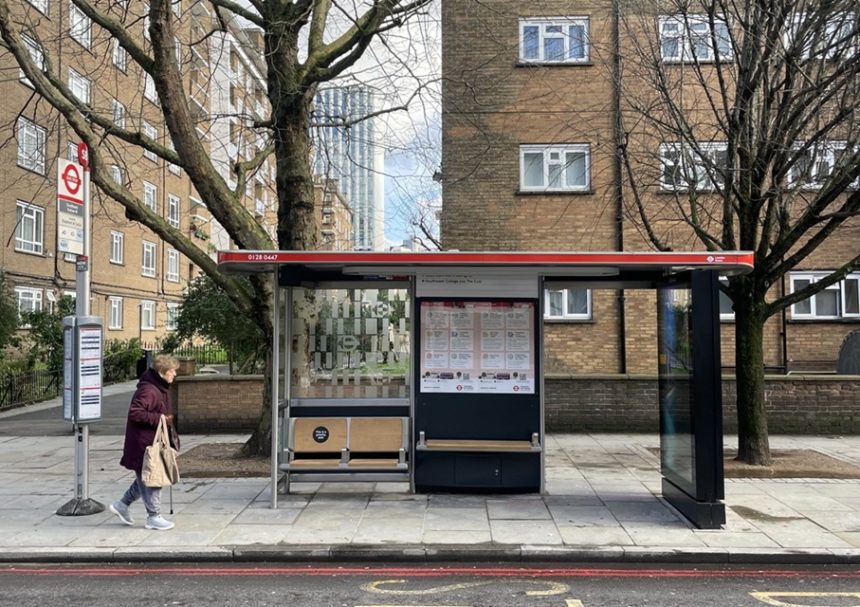
- Visibility as Safety: The new shelters feature significantly upgraded lighting systems. This is not just about reading a timetable; it is a safety feature designed to eliminate dark corners and create a brighter, more welcoming waiting environment. Crucially, this also improves visibility for approaching bus drivers, reducing the frustration of buses failing to stop due to poor sightlines.
- Accessibility Standards: Seating has been completely re-engineered. The new configuration moves away from restrictive designs to offer improved ergonomics and priority spacing. Dedicated signage clearly marks these areas for those with mobility impairments, ensuring that the infrastructure serves the demographic that relies on it most.
- Navigational Identity: The roofs have been fitted with a distinctive reflective red vinyl. While this serves to reinforce the iconic “London Bus” brand identity, its primary function is wayfinding. The reflective material makes stops significantly more recognisable in low-light conditions and from a distance, aiding navigation for passengers unfamiliar with the route.
The Role of Surveillance
Perhaps the most significant, and debated, technical addition is the integration of CCTV. Across the 27 trial locations in London, specific high-traffic or high-priority stops have been fitted with surveillance cameras to enhance public safety.
This decision is driven by hard data from a successful 2024 pilot. In that study, 80% of women surveyed reported that the presence of CCTV made them feel safer, and 73% stated they were more likely to use public transport as a result. It is vital to note the strict protocols governing this technology: the Metropolitan Police acts as the sole data controller. The feed is not open-access; it is a targeted tool for law enforcement to support investigations and deter crime without compromising general privacy.
The Strategic Context
This trial is a physical manifestation of the wider “Bus Action Plan,” which targets having 80% of all journeys in London made via public transport or active travel by 2030. For Croydon, where connectivity is a primary economic driver, ensuring that the “first and last mile” of a journey is safe and comfortable is essential. By participating in this trial, the borough is helping to write the specification sheet for the next decade of London’s transport network.